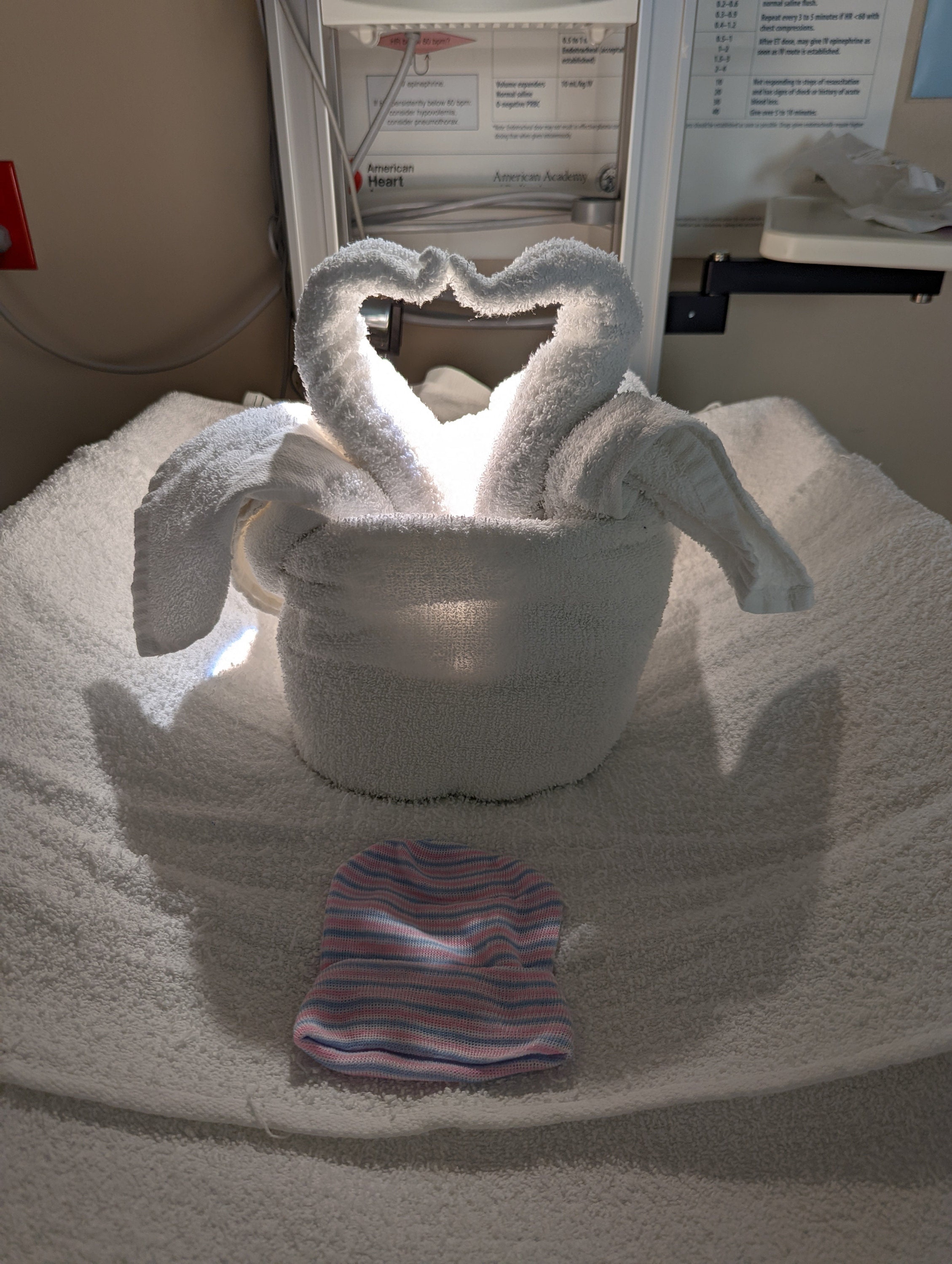
Delivering babies is exciting — and messy, and sometimes very loud, but there is nothing greater than the joyful noise of a newborn’s first cry.
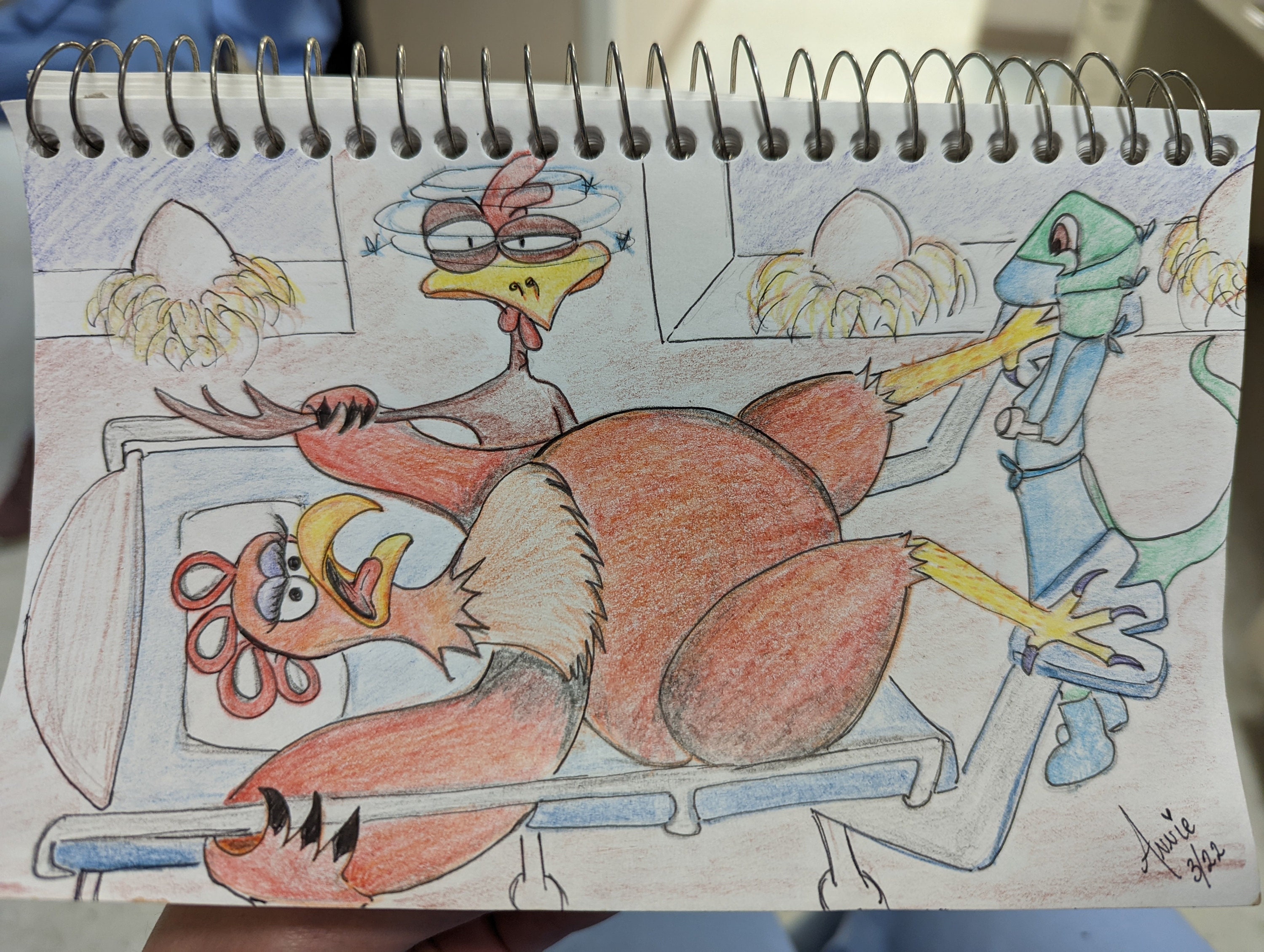
Labor & Delivery has a lot more to it than just catching babies, and I’m going to try to cover as much as I can to give you a good picture of what the department is like. There is so much I want to tell you about! But first, let’s start with something important.
Certifications & Governing Bodies
If you’re coming from EMS, you likely already have a few of these certifications. Most hospitals will provide the others, and many allow around 30 days after hire to complete them.
BLS – Basic Life Support You already have this one.
ACLS – Advanced Cardiac Life Support
Another familiar one for medics.
NRP – Neonatal Resuscitation Program Most units provide this certification once you begin working in the department.
Electronic Fetal Monitoring (EFM)
Basic EFM courses are actually free online, which is always exciting!
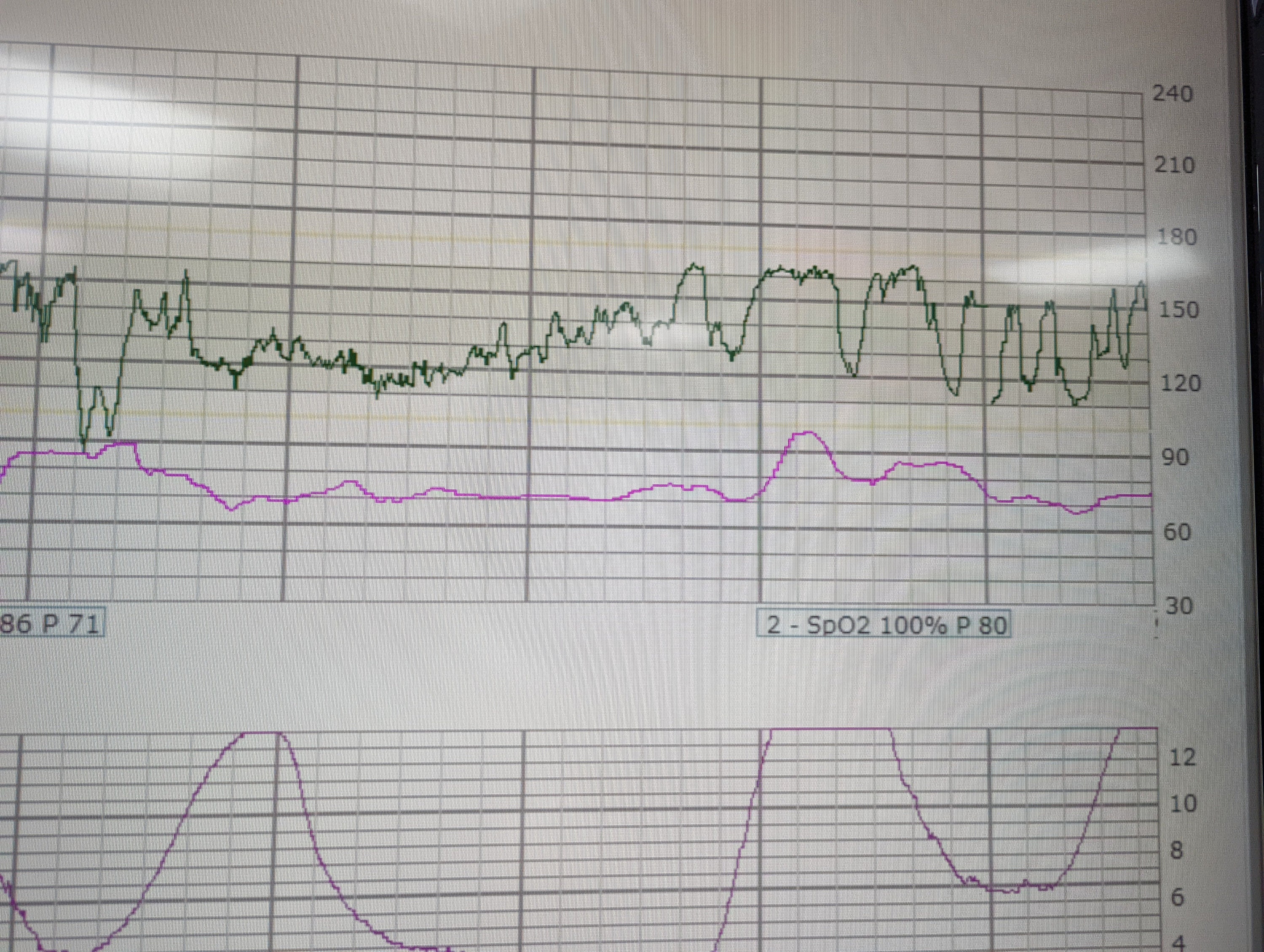
At first glance… I know what you're thinking. “That looks like a shockable rhythm.”
And yes, it absolutely can look that way to someone used to cardiac monitors. If you enjoyed 12-lead interpretation, you’ll probably enjoy learning fetal monitoring as well. It’s a fascinating look at how fetal heart rate patterns change in response to contractions and oxygenation.
Basic Pattern Recognition – Electronic Fetal Monitoring (ob-efm.com)
- AWHONN
AWHONN- Association of Women’s Health, Obstetric and Neonatal Nurses - AWHONN
This organization provides guidance on:
- RN-to-patient ratios
- education and certifications
- research journals
- practice standards for obstetric and neonatal care
If you're working in Labor & Delivery, you'll likely become very familiar with AWHONN guidelines.
- Spinning Babies Class
Spinning Babies - Comfort in Pregnancy and Easier Birth
One of the more interesting educational resources you may encounter is Spinning Babies. These classes focus on helping position the fetus for an easier and safer delivery using maternal positioning techniques such as:
- peanut balls
- birthing balls
- targeted positioning strategies
These classes usually aren't required, but they are very cool and extremely helpful in practice.
There is so much I want to share about Labor & Delivery. I originally kept putting off writing this post because I wanted to cover everything in one big entry. But I’ve realized that’s probably not realistic. So instead, I’m going to break things down into smaller posts so I can share information more regularly, and so you can explore some of these resources along the way. Win-win!
Future posts will cover topics like:
Team Members & Roles
- OBGYN Physician
- Certified Scrub Tech
- Certified Registered Nurse Anesthetist (CRNA)
- Registered Nurse (that’s you!)
Skills & Procedures
Types of Patients
Common Complaints
Emergencies
Medications
Fetal Demise
Postpartum Recovery
Until Next Time! Happy Learning!
With Great Respect,
-MrsNurseMedic